

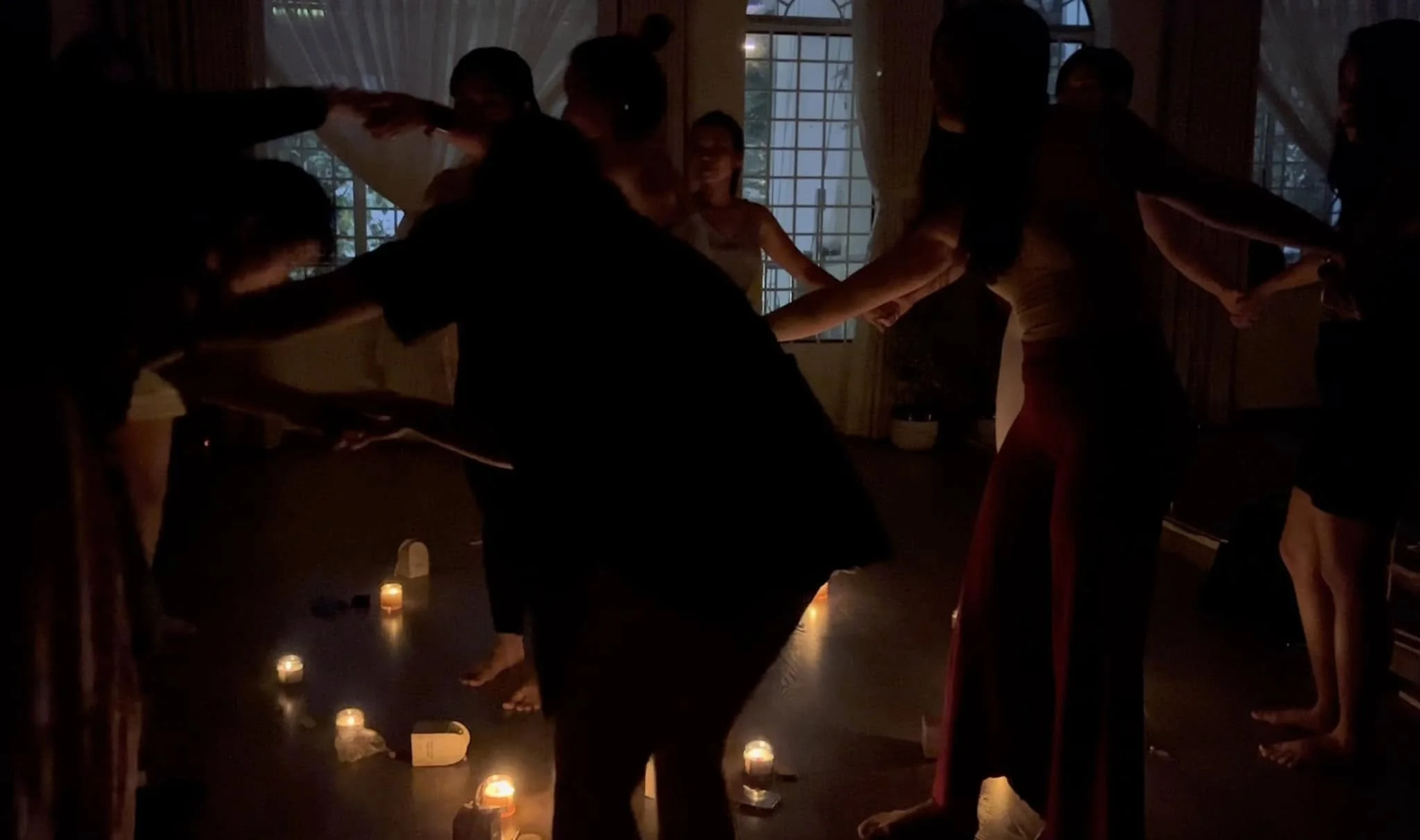
Wholeness Movement
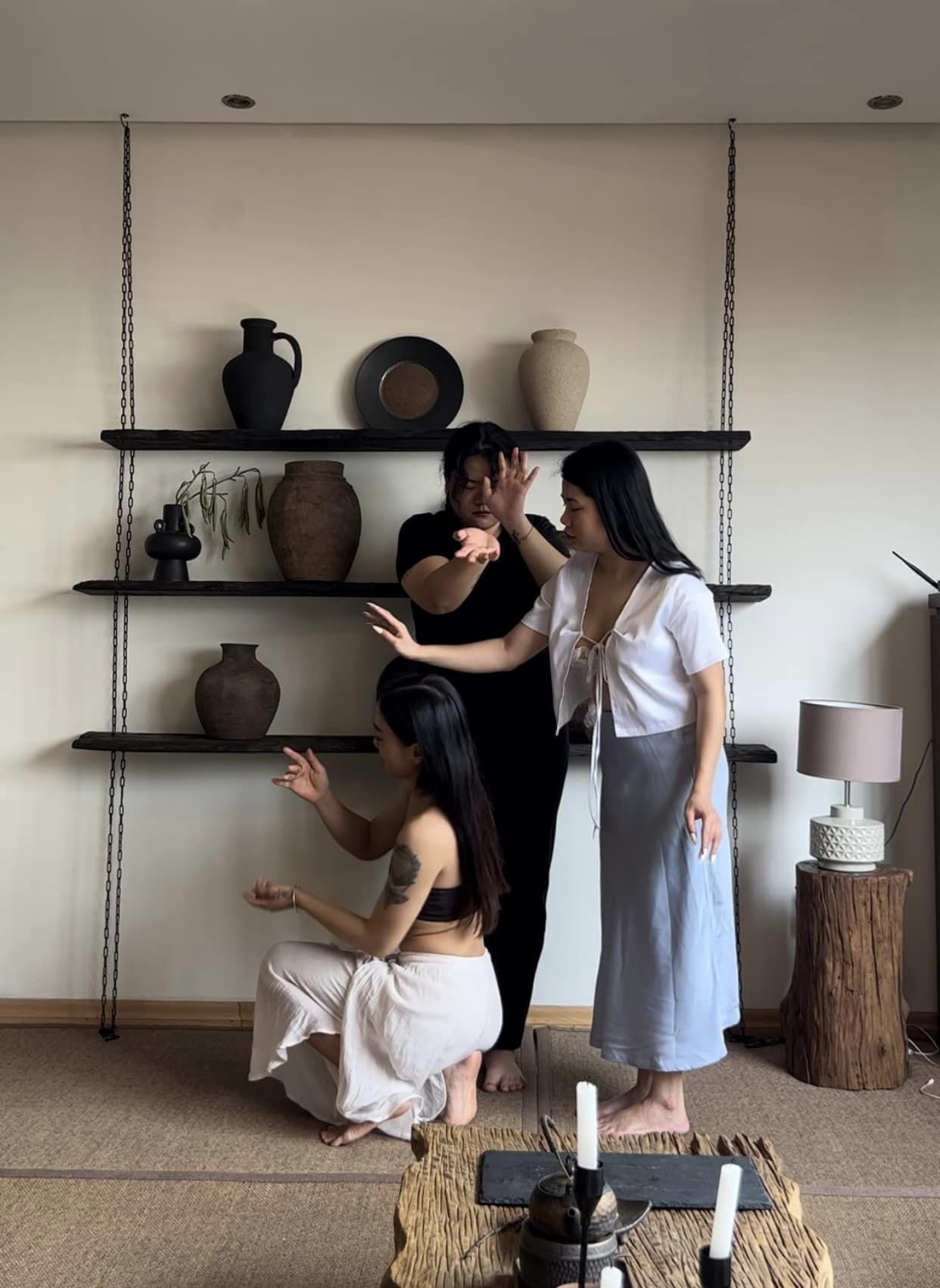
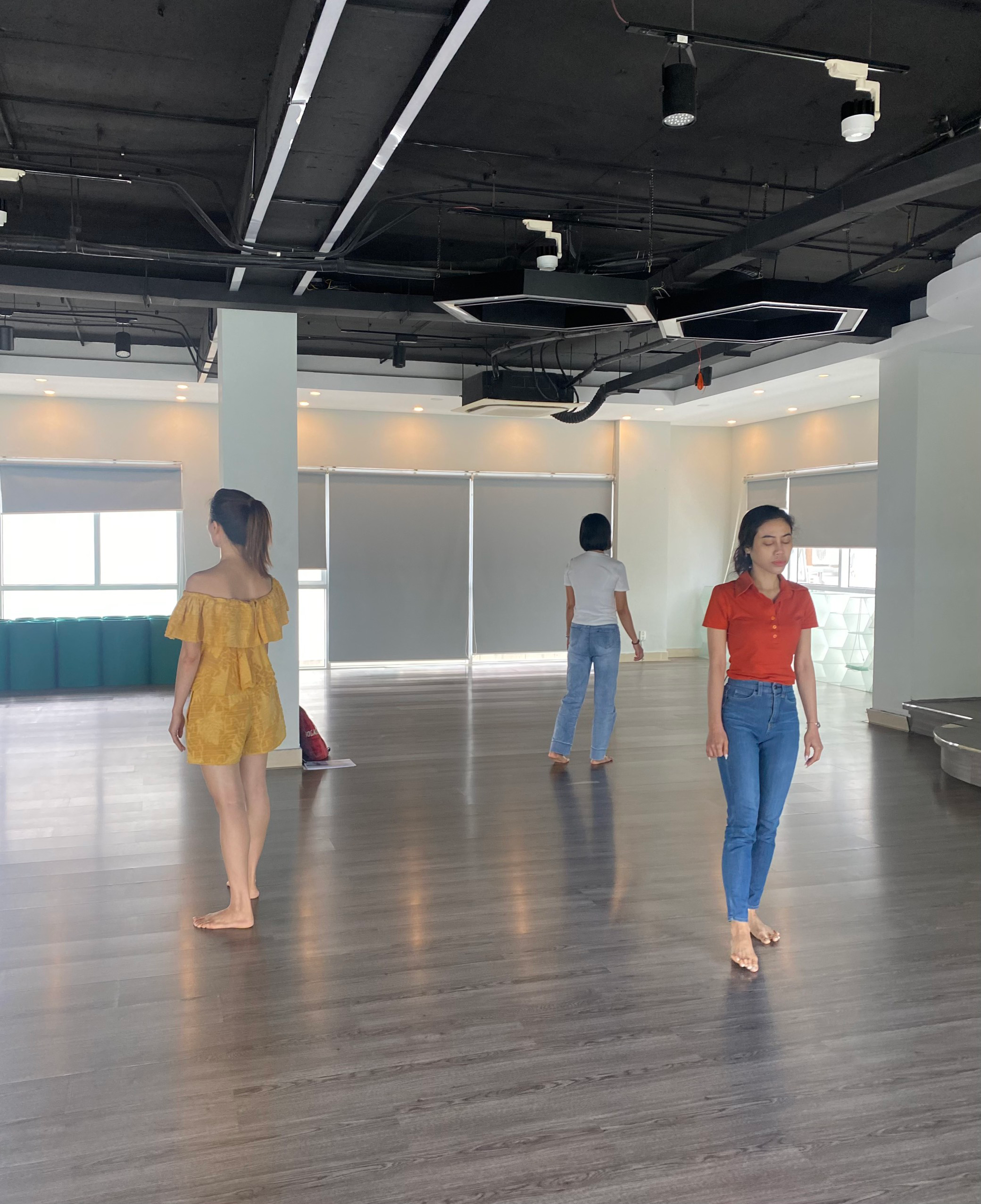
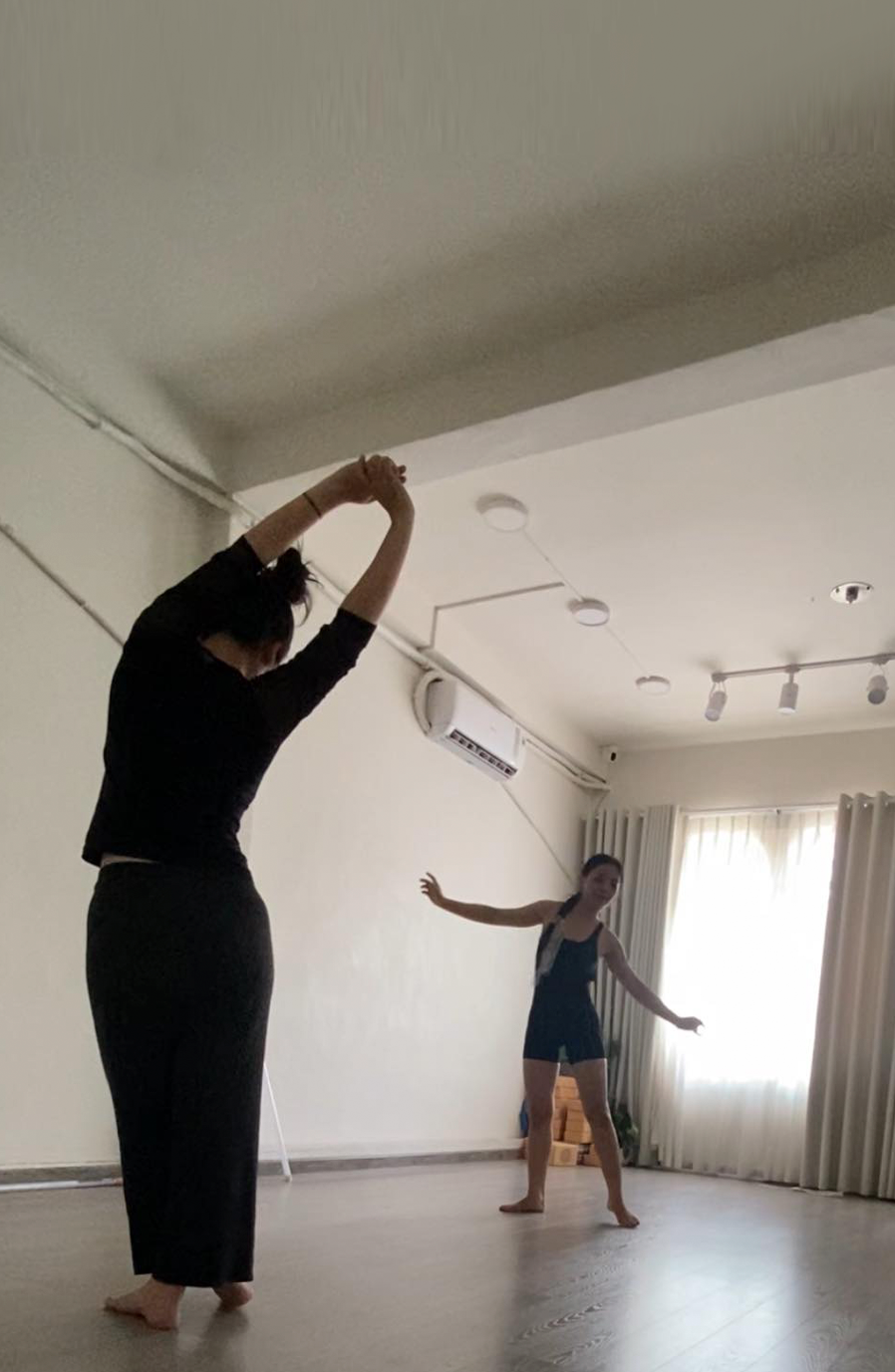
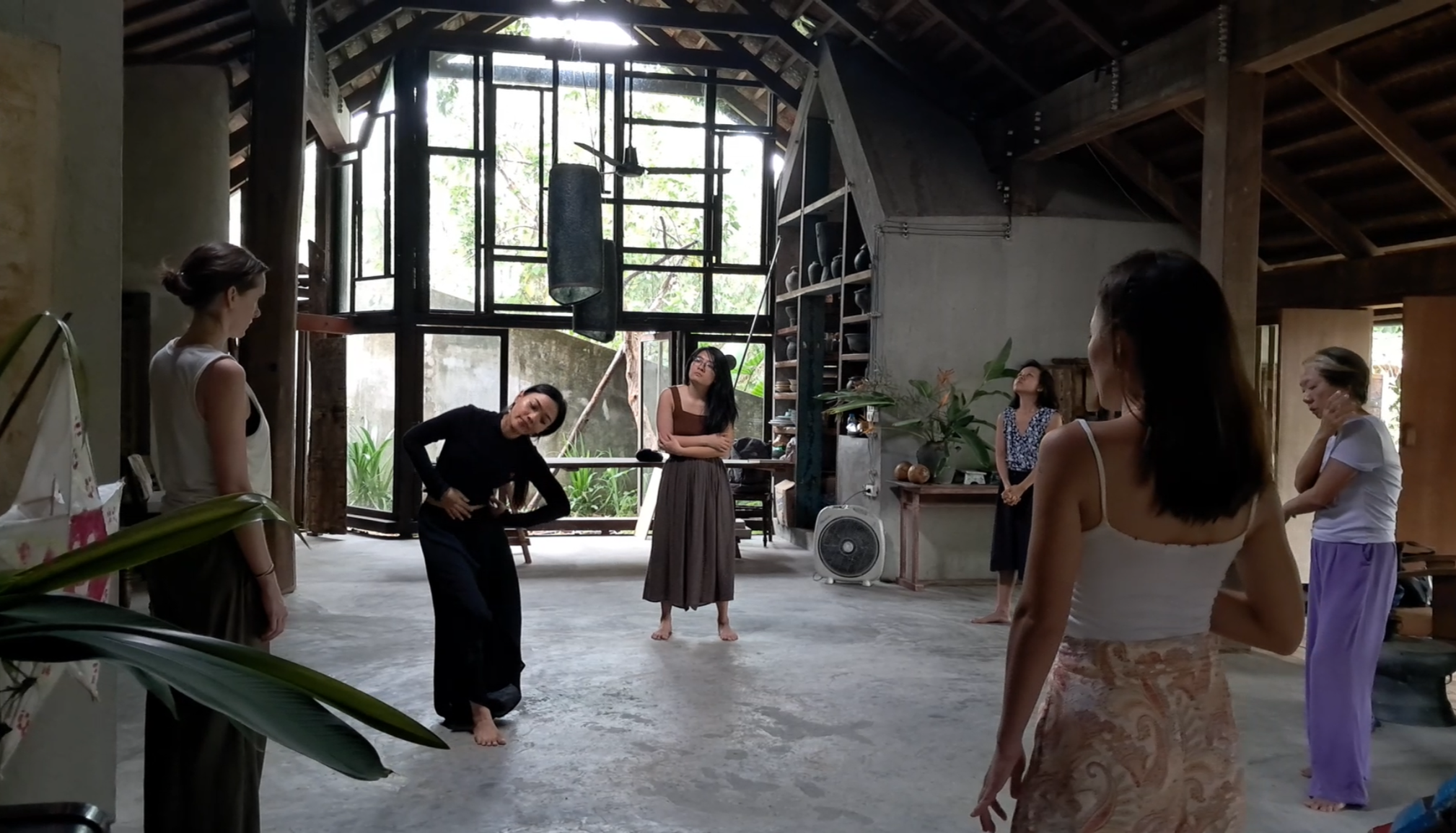
Since 2022, Duc Hanh has facilitated over 20 workshops, the majority offered on a non-profit basis, positioning movement as a tool for social care, resistance, and collective agency. She has actively engaged in vulnerable communities and marginalized populations, including children who are survivors of human trafficking, people with visual impairments, as well as participants across generations, students and artists. These workshops create embodied spaces where authentic expression of the body movement becomes a tool for empowerment, resilience, and social connection.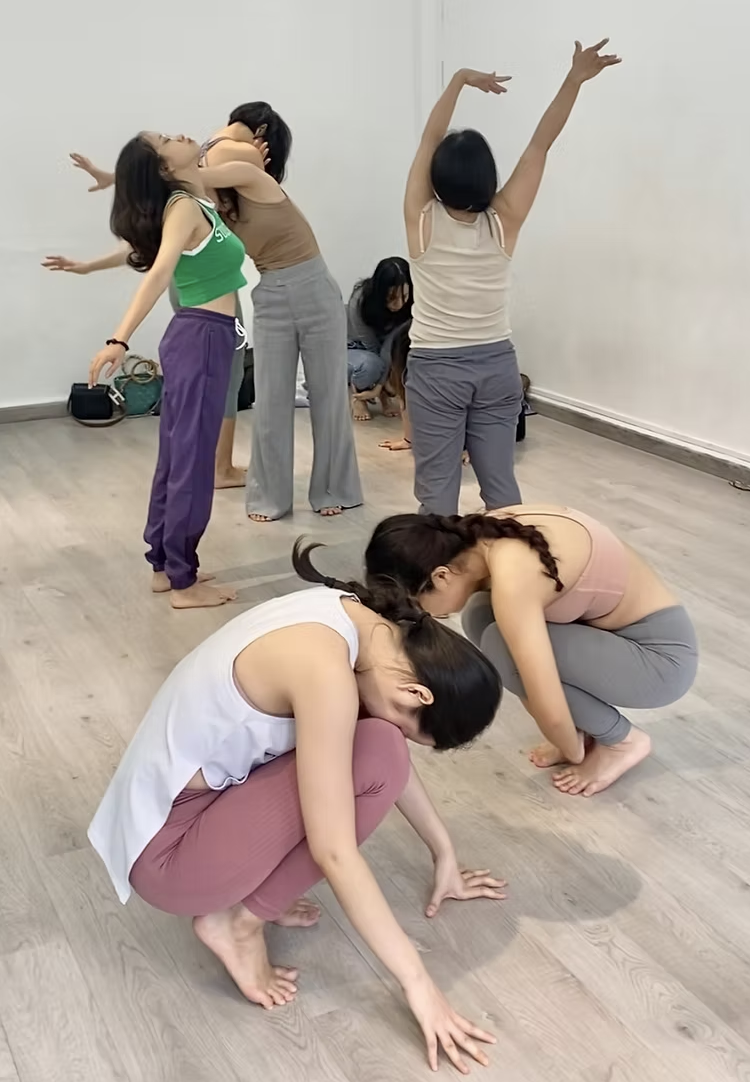
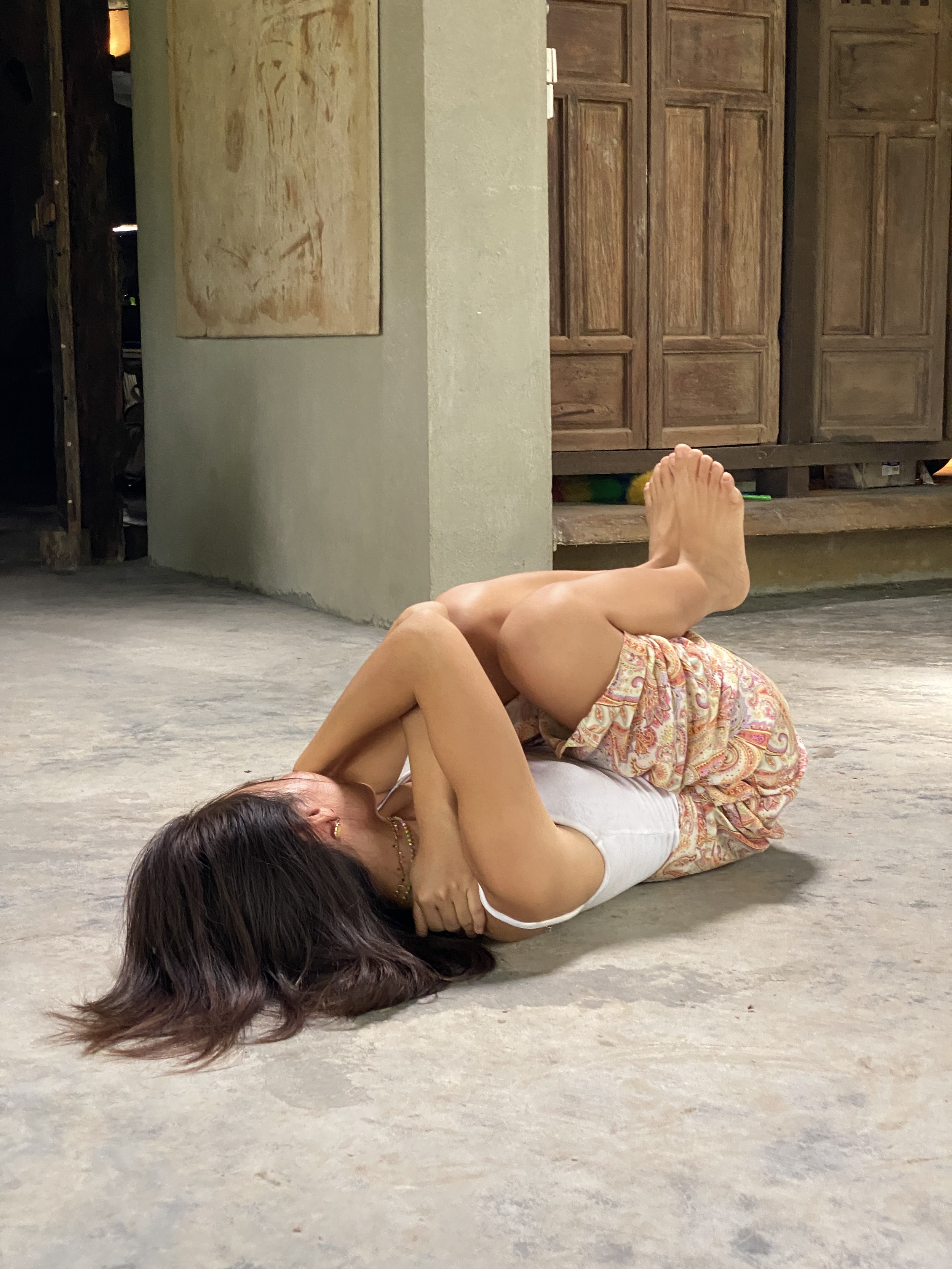
Rationale
Wholeness Movement is rooted in the belief that art as site of care, tension, contradiction and authentic expression serves as a powerful medium for creativity. This practice is thoughtfully designed to cultivate deep body awareness, foster meaningful connections, and creativity.MIND
BODY
SOCIETY
INDIVIDUAL
Expressing through creativity
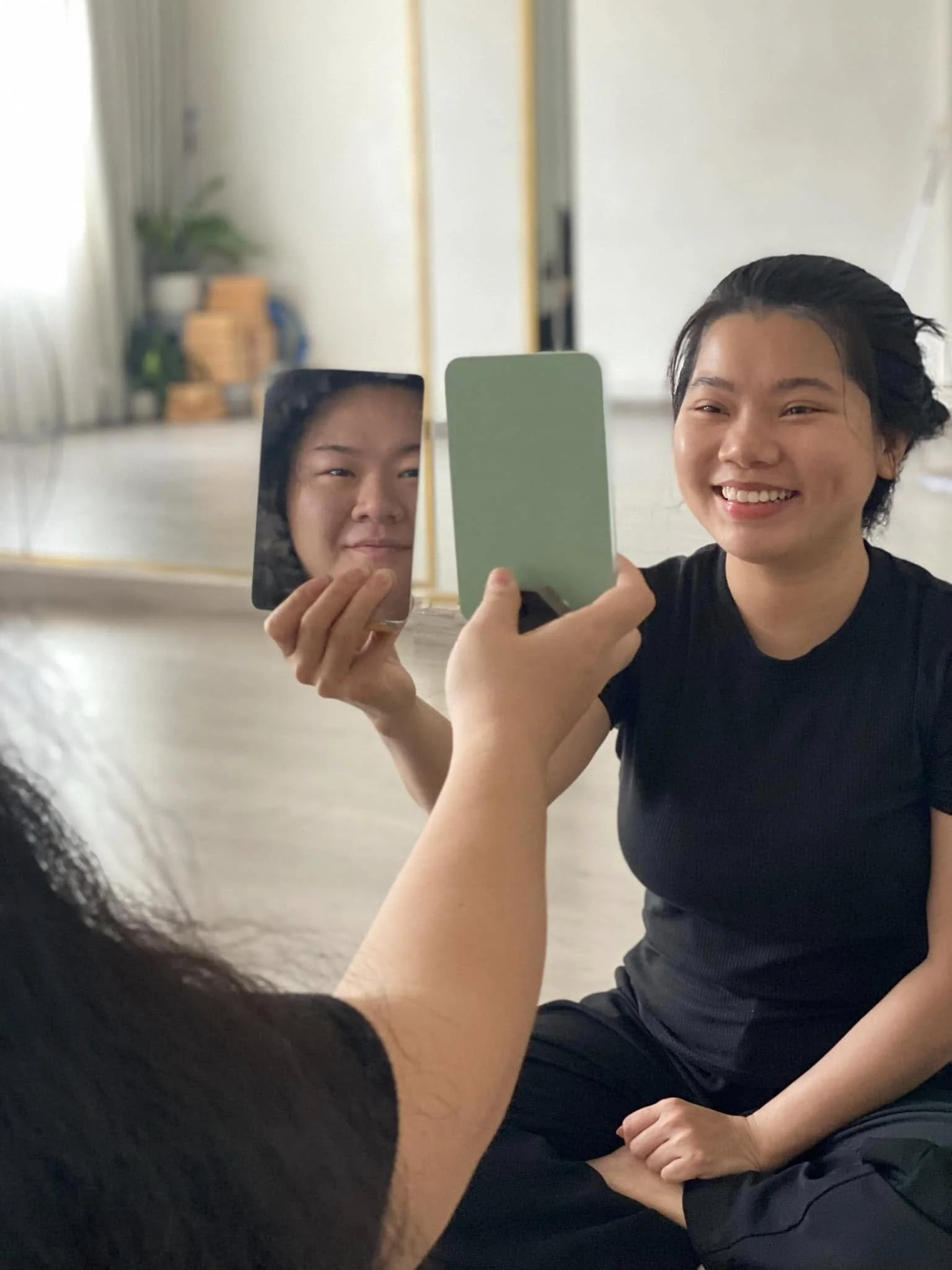
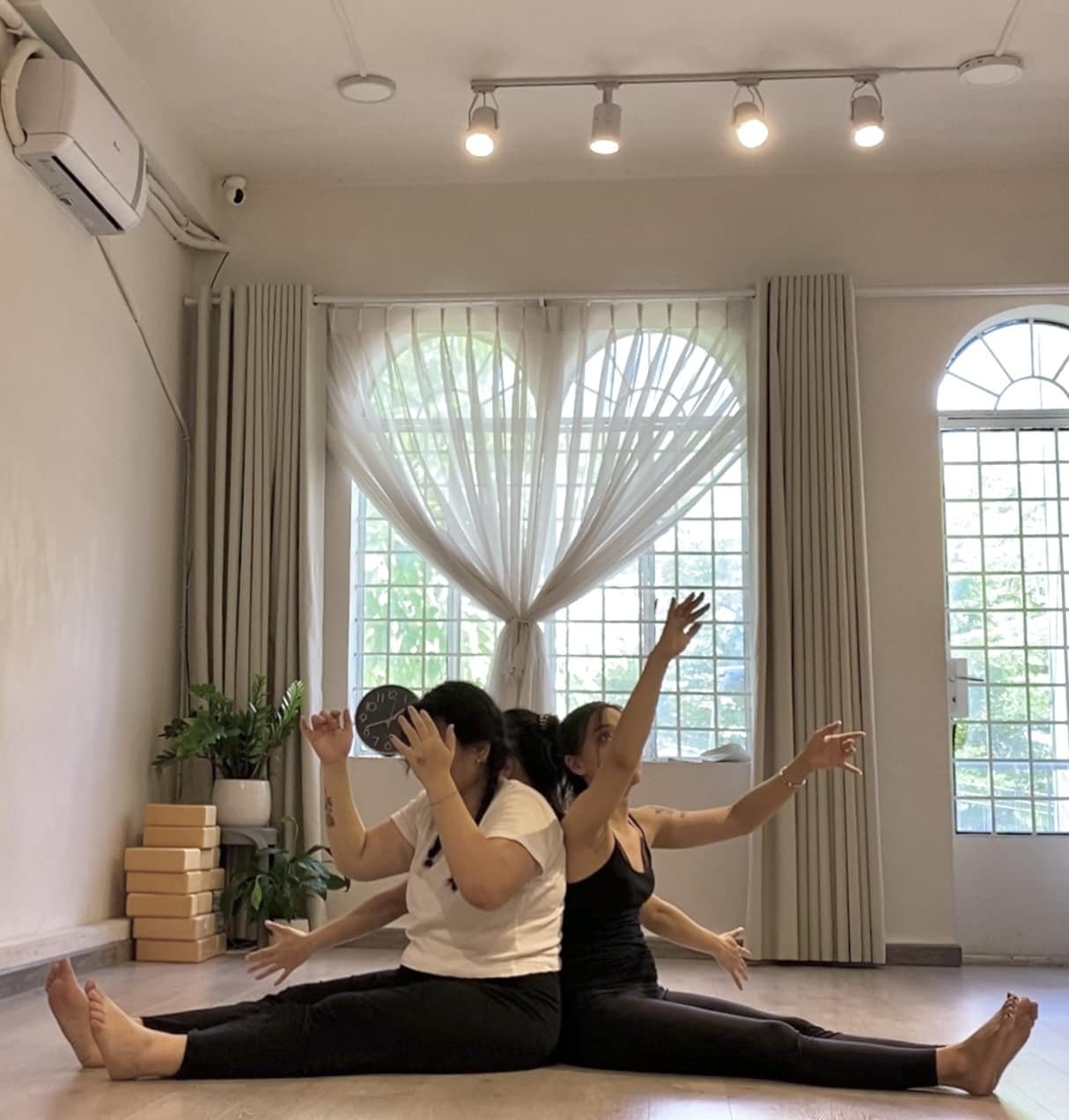
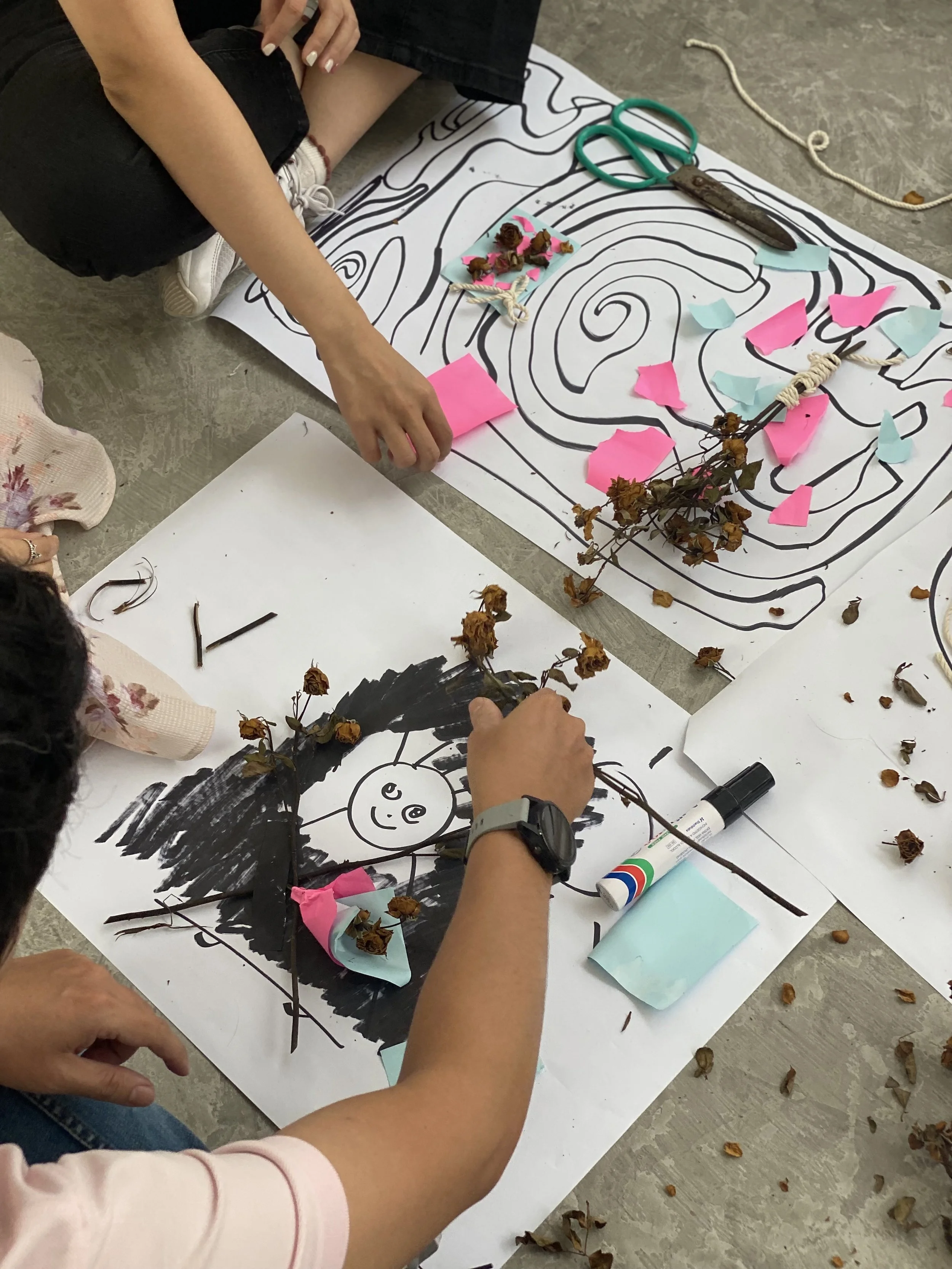
Wholeness Movement incorporates intermodal art as a foundational methodology for facilitating integration and self-exploration. It is a multidisciplinary approach to artistic expression that integrates various art forms such as visual arts, sounds, dance, poetry, and drama to explore creativity, foster self-discovery.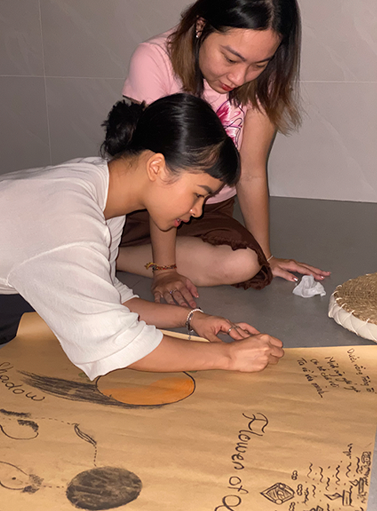
An essential practice for today world
Wholeness Movement is grounded in an educational framework and developed in response to contemporary social needs. The practice supports the cultivation of self-awareness and creative thinking, and is applicable across contexts of mental and physical health care.Each session is thoughtfully designed in relation to both individual intentions and collective contexts, and is adaptable for diverse communities, including groups, children, people with disabilities, and individuals in vulnerable or marginalized situations.At the core of Wholeness Movement lies the dialogue between body and mind, alongside the body’s inherent capacity for self-organization when placed within a safe and supportive environment. Through guided movement exploration, sensing, and attentive listening, emotions, layers of awareness, memory, and movement intersect. This process generates a state of wholeness that encourages reflection, agency, and social inquiry, positioning the body as both a site of personal experience and a medium for collective and societal engagement.
The session was very impressive, fascinating and helped me understand more about my body, it gave me a different view of dancing. I felt a sense of being beautiful as the way I am. After the session, I understand more about what my body needs and what I should do. Very helpful session!— Campers at Summer Camp 2022 by Pacific Links Foundation
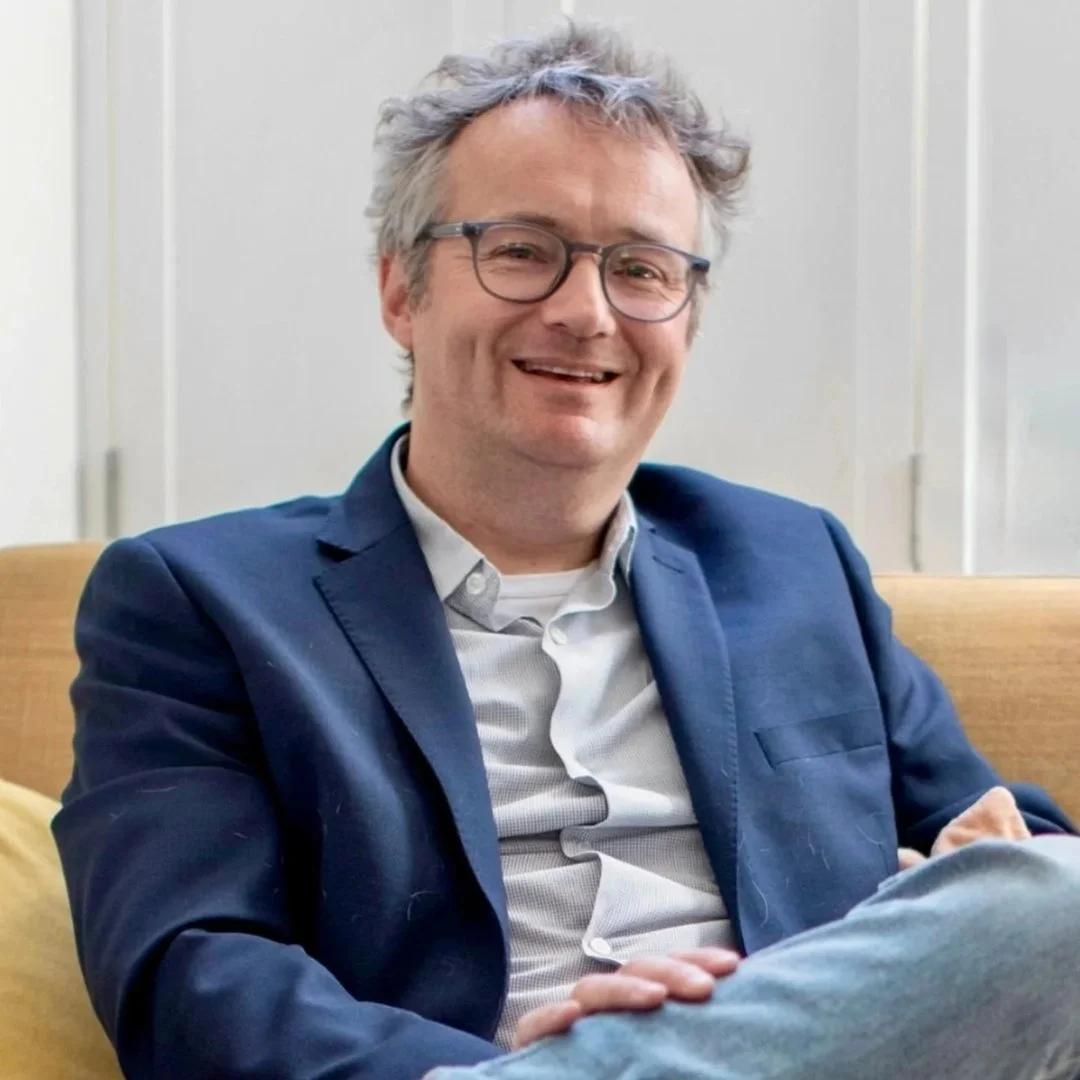
I was hesitant to try virtual sessions with Hanh le Duc from London while she was in Vietnam—but her ability to create instant safety and connection transcended distance. As someone uncomfortable with dance but fascinated by psychology, I was amazed how quickly I could move with closed eyes, accessing buried emotions under Hanh’s guidance. Being witnessed (and witnessing her) through screens still felt profoundly intimate. Hanh’s skillful facilitation led me to raw, cathartic releases I hadn’t found in years of talk therapy. If virtual sessions with her are this powerful, I can only imagine their impact in person. For anyone seeking healing beyond words, Hanh’s work is extraordinary— Nick Johnstone, journalist/Writer from London, UK
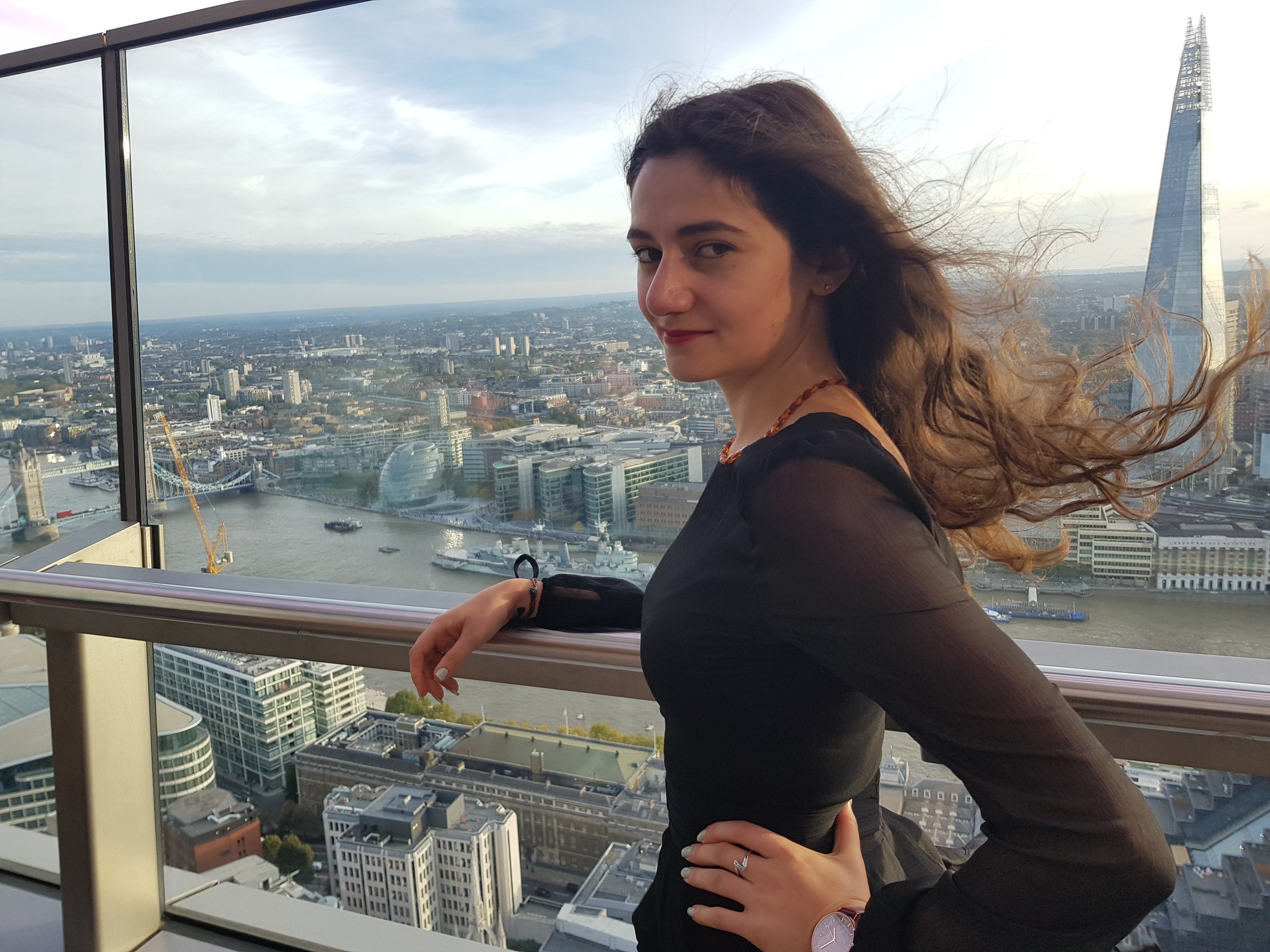
Hanh is not only capable in her verbal skills to invite self-exploration for participants, but she also has a competence to use movement, dance, music and art forms to promote healing and self-expression. I was also honoured to participate in Hanh’s authentic movement workshops. She pays high emphasis on ethical framework, boundaries of the therapeutic space and respects the autonomy of the individuals. Hanh demonstrated empathetic listening skills, sensitivity and attunement to the personal and emotional processes of the attendees.— Ani Melikyan, Psychotherapist from Armenia
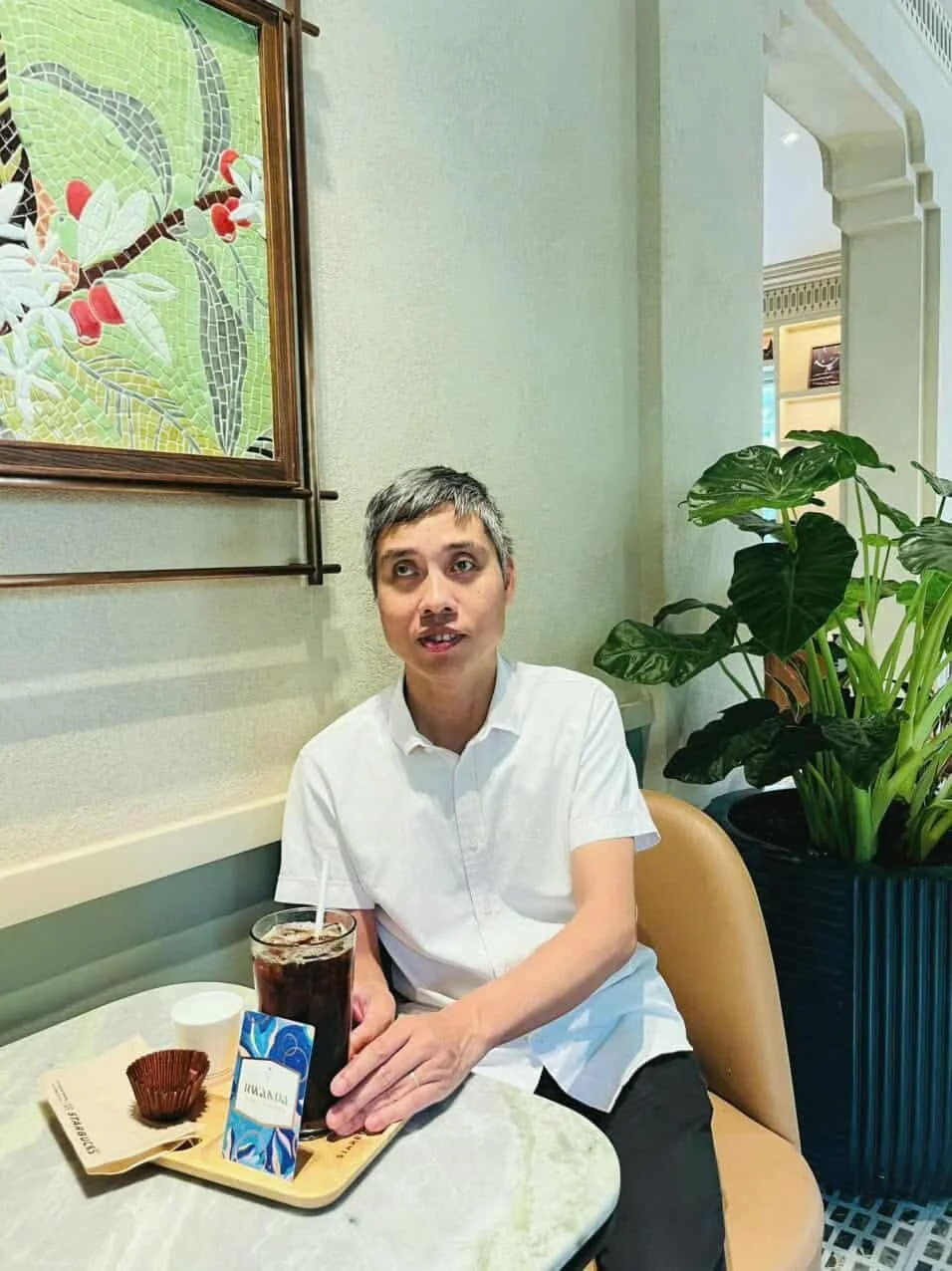
Not just a workshop, this is also a journey that brings me – a blind person – to new experiences about the body, breath and connection. At first, I was quite hesitant. But then, with the gentle, methodical and subtle guidance of artist Le Duc Hanh, I gradually opened up. We were invited to find each other. In an increasingly narrow space, at first there was curiosity, then difficulty, suffocation. But the miraculous thing is that no one spoke to anyone, in absolute silence, we still knew how to give in, make room for each other, so that everyone could squeeze into that unified block.
That reminded me of society out there – where people often fight for space, resources, and positions for themselves. From wars to small conflicts in daily life, all just to have a “place”. But here, in this work of art, amidst the crampedness and density, we do not clash. On the contrary, we find a way to connect, to harmonize, to coexist in a unified whole.
— Hoang Van Ly - Chairperson of the Hoan Kiem District Blind Association in Ha Noi, Viet Nam